
Blog
As the weather cools and the leaves start to change, pests don’t just disappear — they shift gears. Fall is prime time for many insects and rodents to move indoors looking for warmth, food, and shelter. If you’re in Virginia or North Carolina, you’ll notice the pattern every year: summer mosquitoes fade, but stink bugs, rodents, spiders, and ants start knocking at your door (literally). Knowing what’s coming — and how to prevent it — can save you headaches (and costly infestations) this season.
The Usual Suspects: Common Fall Pests in VA & NC
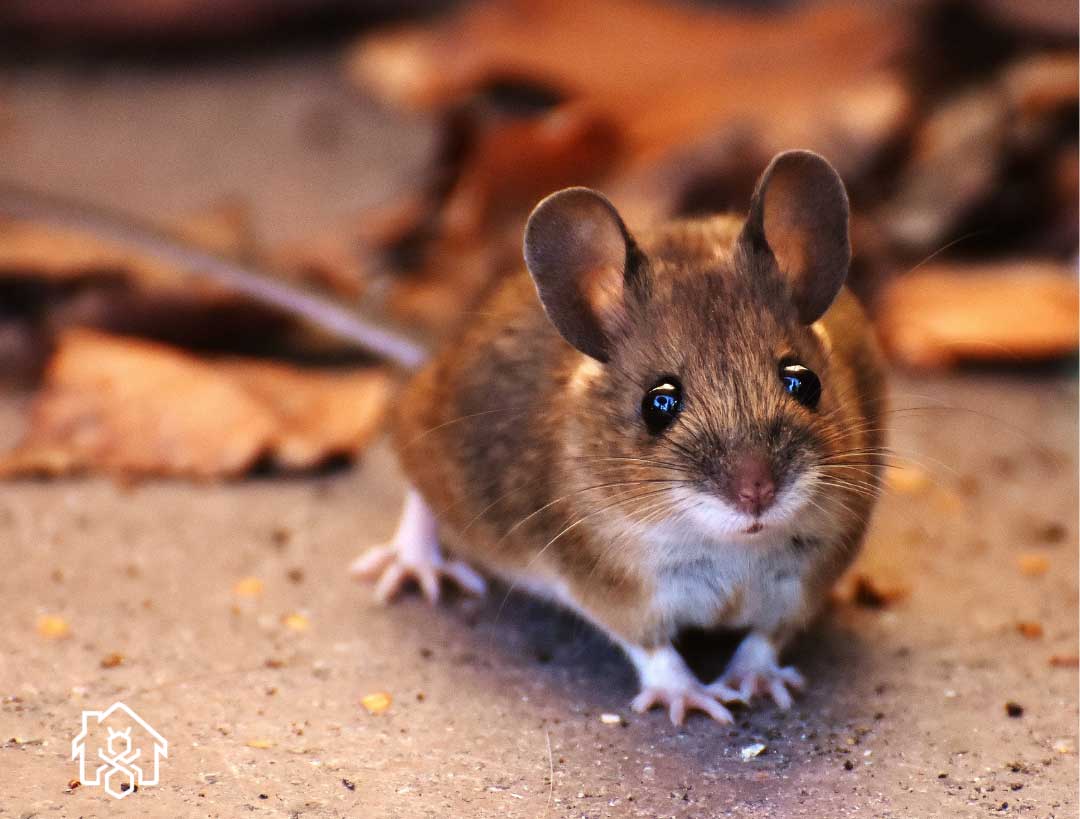
Rodents (Mice & Rats):Rodents are perhaps the most notorious fall invaders. As natural foragers, they look for food sources indoors when outdoor supplies dwindle. Mice can squeeze through a gap the size of a dime, while rats need only a quarter-sized opening. Once inside, they reproduce quickly and can spread diseases, contaminate food, and chew through wiring and insulation.
- Written by: VACO Pest Management
(and what you can do about it)
As temperatures rise in North Carolina and Virginia, so does the buzz—literally. House flies are one of the most common and frustrating pests to invade homes during the summer. They’re fast, relentless, and just plain gross. But beyond being annoying, house flies can also carry harmful bacteria and contaminate food surfaces.
Let’s take a closer look at why flies are worse in the summer, what attracts them, and how VACO Pest Management can help keep your home fly-free.
- Written by: VACO Pest Management
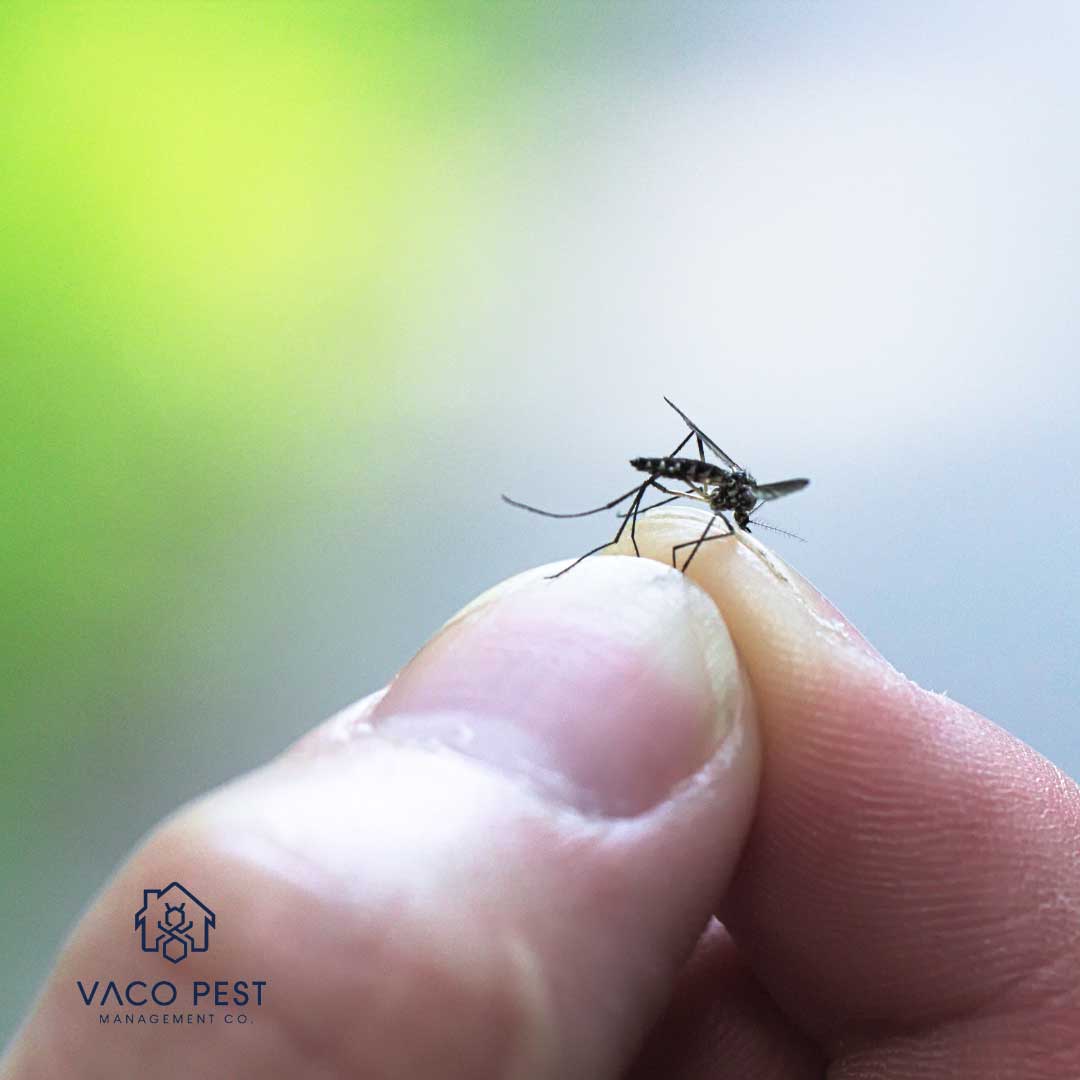
It’s no secret—mosquitoes are more than just backyard annoyances. In North Carolina and Virginia, they can also pose real health risks. For families enjoying summer BBQs, outdoor games, or just a night on the porch, knowing how to protect your loved ones from mosquito-borne diseases is crucial. Let’s break down the key risks, the science behind mosquito diseases, and what you can do to stay safe—without making it feel like you need a biology degree to understand it.
While not every mosquito bite leads to illness, these are the main diseases found in our region:
- Written by: VACO Pest Management

When the warm weather hits Richmond, VA and Charlotte, NC, it's time for backyard BBQs, fire pits, and relaxing evenings on the porch. Unfortunately, it’s also time for mosquitoes and ticks to crash the party.
These tiny pests aren’t just annoying—they can carry serious health risks like Lyme disease, Rocky Mountain spotted fever, and West Nile virus. At VACO Pest Management, we help families like yours enjoy their outdoor spaces without the itch and worry.
- Written by: VACO Pest Management