
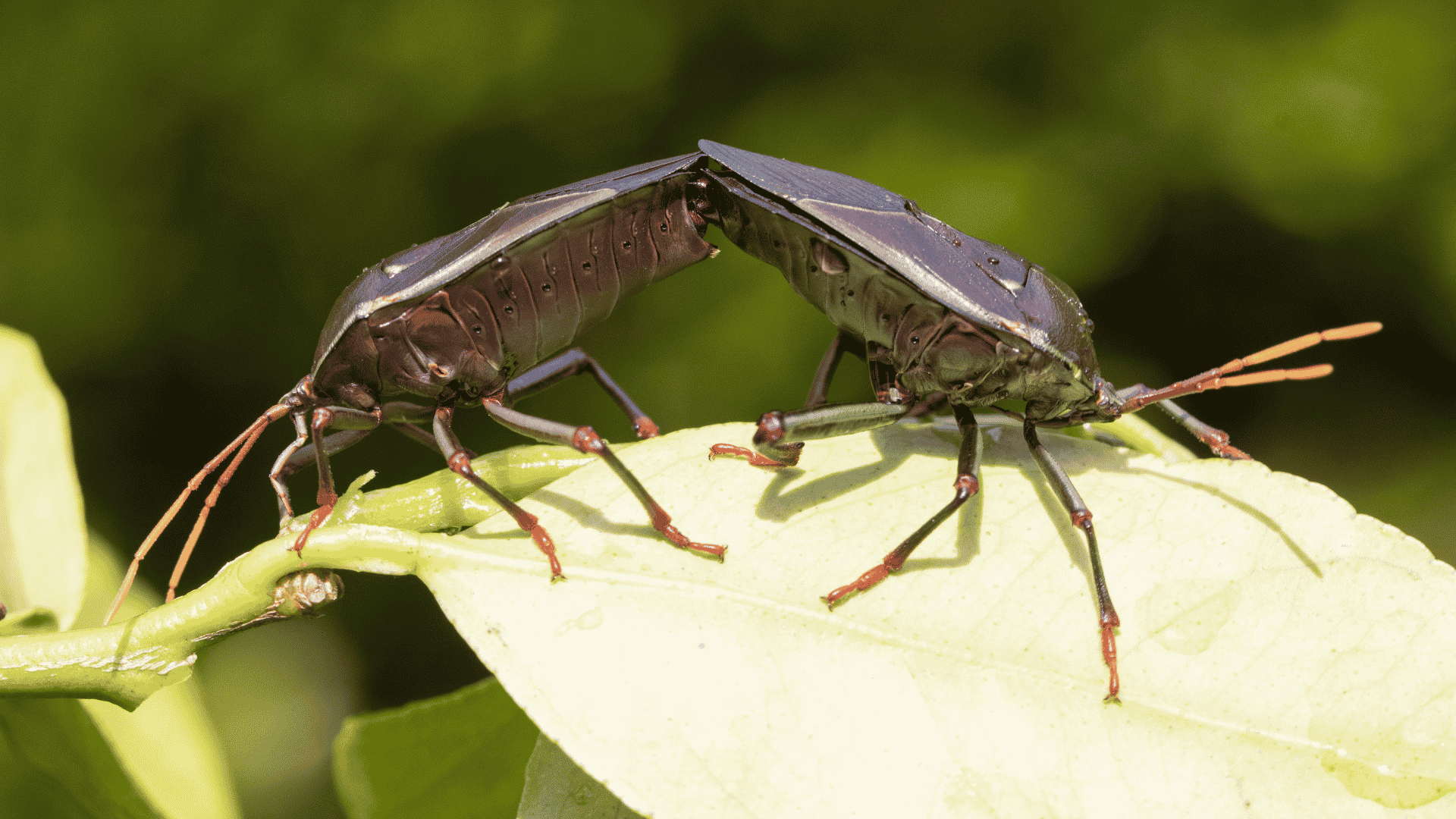
On a bright afternoon late in the season, you might step outside and find the south side of your house covered in small, crawling insects. A few days later, some of them turn up on a window sill, a lampshade, or the ceiling of a spare bedroom. For many homes around Charlotte and Lake Norman, stink bugs and Asian lady beetles are the most familiar signs that cold weather is on the way. Asian lady beetles are a type of ladybug, and most people simply call them ladybugs, so if you've been finding ladybugs in your house this fall, these are the insects you're seeing.
Both insects are "overwintering invaders." They don't come inside to feed or breed. They come inside to wait out the winter in a sheltered spot, and your walls, attic, and window frames fit the bill. This guide follows them through the season: how they gather, how to identify them, why they show up on warm winter days, how to keep them out, and what to expect when spring arrives. Homeowners in Richmond, Virginia see the same pattern.
Quick Summary
- Brown marmorated stink bugs and Asian lady beetles gather on sunny walls in fall and slip inside to spend the winter.
- Asian lady beetles are a type of ladybug, and most people call them ladybugs. Look for an "M" or "W" shaped mark behind the head, since their color and spots vary.
- They don't breed, feed, or damage your home's structure indoors, but they can show up in large numbers.
- Crushing stink bugs releases a strong odor, so vacuum them up instead.
- Sealing gaps before they gather is the most effective step, backed by an exterior treatment.
- Insects that hide in your walls often come back out on warm winter days and again in spring.
Why Stink Bugs and Asian Lady Beetles (Ladybugs) Move Into Homes
Both insects respond to shorter days and cooler nights by looking for a protected place to rest. In the wild, they might use cracks in rock or loose bark. Homes offer something better: lots of small gaps, steady warmth, and walls that shelter them from wind and freezing temperatures.
They Gather on Sunny, Warm Walls
As the season turns, these insects look for warmth before they look for a way in. The sun-facing sides of a house, especially the south and west walls, warm up during the afternoon. Light-colored siding and walls that stand out against the landscape seem to draw Asian lady beetles, or ladybugs, in particular. Once the insects collect on the wall, they work their way into any gap they can find.
What Overwintering Means
Overwintering insects slow down and enter a resting state to survive the cold. They stay mostly still in wall voids, attics, and behind trim, and they don't eat or lay eggs during this time. That's why they don't multiply inside your home the way ants or cockroaches can. The ones you see are the ones that got in.
How to Identify Stink Bugs and Asian Lady Beetles
Correct identification helps you avoid harming helpful insects and choose the right fix. Here is what to look for in each pest.
Brown Marmorated Stink Bugs
The brown marmorated stink bug is a shield-shaped insect with a mottled brown, gray, and tan body. Look for light bands on the antennae and an alternating light and dark pattern along the edges of the body. It's an invasive species that has spread widely in the eastern United States, including the Carolinas and Virginia.
Several native stink bugs look similar, but they don't usually gather on homes in large numbers. If you see dozens of shield-shaped brown bugs on your siding in fall, the brown marmorated stink bug is the likely culprit.
Ladybug or Lady Beetle? Two Names for the Same Beetles
"Ladybug" and "lady beetle" are two common names for the same group of beetles. Many kinds live in the Carolinas and Virginia, and most of them are welcome guests in a garden. The Asian lady beetle (Harmonia axyridis) is one member of that group, and it's the one that gathers on houses in fall and finds its way inside.
So when neighbors talk about a ladybug problem in their home, they almost always mean Asian lady beetles. The native ladybugs you see on garden plants are generally not a problem, and they don't need treatment.
Asian Lady Beetles, or Ladybugs
Asian lady beetles are round, dome-shaped beetles that range from pale yellow to orange to red. Some have many black spots, some have a few, and some have none, so the spots alone won't identify them. The most useful clue is the area just behind the head, which is usually white with a black mark shaped like an "M" or "W."
Asian lady beetles were introduced to the United States to help control aphids and other crop pests, and they still eat aphids outdoors. Indoors, though, they can be a nuisance. They may pinch skin, and when disturbed, they release a yellowish fluid with an unpleasant smell that can stain walls and fabric.
Telling Them Apart From Native Ladybugs
Native lady beetles (also known as ladybugs), like the convergent lady beetle, are usually smaller and don't gather on homes in large groups to overwinter. The convergent lady beetle has two white lines on the area behind the head that angle toward each other, instead of the "M" or "W" mark. If you aren't sure, a clear close-up photo helps a pest professional confirm what you have.
Why Ladybugs and Stink Bugs Show Up on Warm Winter Days
Many homeowners are surprised to see stink bugs and ladybugs in the middle of winter. A run of sunny, mild days warms the walls and attic, and some insects wake up and start moving. Indoor heat also draws them out of wall voids and into living spaces.
Once they're inside the living area, they often head toward windows and lights because they're trying to get back outside. Many of them are slow, clumsy, and confused, which is why you find them on sills, ceilings, and lampshades. They can't survive long in the dry air of a heated home.
Why Crushing Stink Bugs Smells So Bad
Stink bugs earn their name. When threatened or crushed, they release a defensive chemical from glands on the body, and the smell is strong and lasting. Many people compare it to cilantro or old, musty greens.
That odor can linger on hands, fabric, and surfaces, and some people find it hard to tolerate. The best rule is simple: don't crush, swat, or squeeze stink bugs indoors. Ladybugs have a similar defense, since a disturbed Asian lady beetle releases its yellowish fluid, so treat them gently too.
How to Keep Stink Bugs and Ladybugs Out
Exclusion works best when it's done before these insects gather. Once they're in your walls, sealing the outside may trap them inside until spring. The steps below focus on the gaps they use most.
Seal Gaps Around Windows and Doors
Check the caulk around window frames and door frames, and replace any that has cracked or pulled away. Repair torn window screens and screens on attic and crawl space vents. Add door sweeps and fresh weatherstripping where you can see daylight.
Close Openings in Siding, Trim, and the Roofline
Look where siding meets trim, where trim meets the roof, and around soffits and fascia boards. Stink bugs and ladybugs slip into very small gaps, so use a quality exterior sealant for cracks. Check around chimneys and where different building materials meet.
Seal Utility Penetrations and Vents
Pipes, cables, AC lines, and outdoor faucets all pass through the wall. Seal around each one with caulk or foam rated for outdoor use. Make sure dryer vents, bath fan vents, and gable vents have intact screens or flaps that close fully.
Add an Exterior Treatment at the Right Time
A professional exterior treatment applied before insects gather can reduce the number that reach your walls. The goal is to target the areas where they land and cluster, such as sunny walls, eaves, and around windows. Timing matters, which is one reason a seasonal plan works better than a one-time spray after the fact.
Vacuum, Don't Spray, Indoors
When stink bugs or ladybugs make it inside, a vacuum is your best tool. Use a shop vacuum or a vacuum with a disposable bag, then seal and remove the bag right away. Some homeowners slip a knee-high stocking over the hose and secure it with a rubber band, so the insects collect in the stocking and can be tossed outside in a sealed bag.
Spraying insecticide indoors usually does more harm than good. It won't reach the insects hidden in your walls, and dead insects left inside wall voids can attract carpet beetles and other pests that feed on them. A simple vacuum routine works better for the few that come out.
When to Call a Professional
A handful of stink bugs or ladybugs each winter is common, but a steady stream every day suggests a larger group is living in your walls or attic. A professional can find where they're getting in, recommend the right sealing work, and time an exterior treatment so fewer insects gather next season. The same technician visits each time, so they learn where your home's problem spots are.
Our residential pest control service includes inspection, exterior treatment, and practical recommendations for sealing. We serve homes across the Charlotte and Lake Norman area, including Huntersville, Cornelius, Davidson, and Mooresville, as well as the Richmond region.
What Happens When Spring Arrives
As days get longer and warmer, overwintering stink bugs and Asian lady beetles wake up and try to head back outdoors. You may notice another wave of ladybugs and stink bugs near windows and doors during this time. Most of them are trying to leave, not settle in.
Use the same vacuum approach, and keep windows and screens in good repair. Spring is also a good time to note where insects appear inside, since those spots point to the gaps you'll want to seal before they gather again.
Frequently Asked Questions
Do stink bugs and Asian lady beetles damage my house?
They don't chew wood, wiring, or insulation, and they don't breed indoors. The main problems are the odor, the stains Asian lady beetles leave, and the number of insects. Dead insects in wall voids can attract other pests, though.
Are the ladybugs in my house the same as the ones in my garden?
Usually not. The ladybugs that cover sunny walls in fall and crawl indoors are almost always Asian lady beetles. Many of the ladybugs in your garden are native species that stay outdoors and help by eating aphids. Look for the "M" or "W" mark behind the head to tell them apart.
Are Asian lady beetles harmful to people or pets?
They don't sting and aren't known to carry disease. They can bite or pinch skin, and some people find their odor or stains bothersome. Some people may also have allergic reactions to them, so talk with a doctor if you notice symptoms.
Why do stink bugs keep appearing in winter?
Warm, sunny days and indoor heat wake up insects hiding in walls and the attic. They move toward light and windows as they try to get outside. Sealing entry points before they gather is the best way to reduce these sightings next year.
Should I use a bug bomb for stink bugs?
No. Foggers don't reach insects hidden inside walls, and they leave residue in your living space. Vacuuming the ones you see and sealing the outside of the home works much better.
When is the best time to treat for stink bugs and ladybugs?
The best time is late summer to early fall, before the insects gather on your walls. Once they're inside, the focus shifts to vacuuming and sealing for the next season.
Stop Overwintering Pests Before They Move In
The best defense against stink bugs and Asian lady beetles, the ladybugs that crowd your windows, is a home that gives them no way in. Our team will inspect your exterior, point out the gaps they're likely using, and recommend the right timing for treatment. Contact us to schedule a free inspection and enjoy a quieter, bug-free winter.