
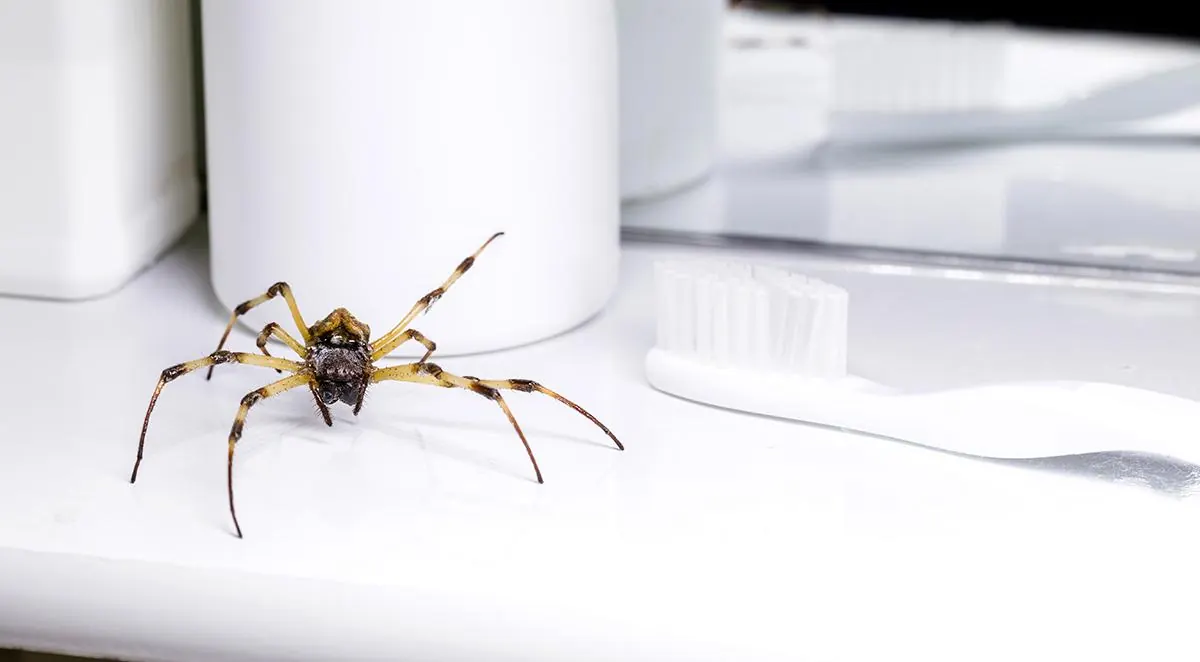
If you have noticed more spiders in North Carolina homes as summer fades, you are not imagining it. Every fall, spiders seem to appear in corners, garages, and basements almost overnight, and for many homeowners across the Charlotte and Lake Norman area, that sight is enough to reach for the phone. The good news is reassuring: the vast majority of spiders in North Carolina are harmless, and a few simple habits go a long way toward keeping them outside where they belong.
This guide walks through the species you are most likely to encounter around your home, which ones actually deserve caution, and the practical steps that keep spiders from settling in. Our goal is to replace the guesswork with a clear picture of what you are seeing and what, if anything, to do about it.
Quick Summary
- Most spiders in North Carolina are harmless and even beneficial, quietly controlling other insects around your home.
- You see more spiders in fall mainly because of mating season, not because they are fleeing the cold for your heat.
- Only the black widow is considered medically significant in our area, and it prefers undisturbed spots like woodpiles and sheds.
- The brown recluse is uncommon in North Carolina and frequently misidentified.
- Sealing gaps, managing exterior lighting, and reducing indoor clutter are the most effective ways to keep spiders out.
Why You See More Spiders Indoors in Fall
A common belief is that spiders move inside in autumn to escape the cold, but that is mostly a myth. Many of the spiders you spot indoors have actually lived in your home all year, tucked away in quiet corners where you rarely look. What changes in fall is their behavior, not their address.
The real driver is mating season. As the weather cools, mature male spiders of several species leave their hiding spots and roam in search of females, which is why you suddenly see one darting across the floor or wall in the evening. At the same time, outdoor species like orb weavers have grown to full size over the summer, making their webs far more noticeable across porches, eaves, and gardens. A handful of spiders may wander in through open doors as temperatures drop, but the seasonal spike is largely about spiders becoming more active and visible, not a coordinated march indoors.
Common Spiders in North Carolina
Knowing what you are looking at takes most of the anxiety out of a spider sighting. These are the species homeowners across the Piedmont encounter most often.
Common House Spider
True to its name, this small brown spider is the one most often found indoors, building tangled cobwebs in the corners of ceilings, garages, and basements. It is harmless to people and tends to stay out of the way. If you are clearing webs from the same corners repeatedly, this is usually the culprit.
Wolf Spider
Wolf spiders are large, fast, and hairy, which makes them alarming to find, but they are not dangerous. Rather than spinning webs, they hunt on the ground and sometimes wander indoors, especially in fall. They are shy by nature and will retreat if given the chance.
Cellar Spider
Often called daddy long-legs, the cellar spider has a small body and very long, thin legs, and it favors damp, quiet spaces like basements and crawl spaces. A persistent myth claims it is highly venomous but unable to bite, which is simply false: it is harmless. Damp crawl spaces are a favorite habitat, which is one reason moisture control matters for spider prevention.
Orb Weavers and Garden Spiders
These are the architects behind the large, striking webs that appear across gardens and doorways in late summer and fall. The yellow garden spider, with its bold black and yellow markings, is a familiar example. Though their size can be startling, they are harmless and genuinely beneficial, capturing large numbers of nuisance insects.
Black Widow
The southern black widow is the one spider in North Carolina that warrants real caution. It is glossy black with a distinctive red hourglass marking on the underside of its abdomen, and it prefers undisturbed places such as woodpiles, sheds, garages, and crawl spaces. Bites are uncommon because the spider is not aggressive, but its venom is medically significant, so it deserves respect and distance.
Which NC Spiders Are Actually Dangerous?
For all the worry spiders cause, the honest answer is that very few pose any threat here. The black widow is the only widely present species in North Carolina whose bite is medically significant, and even then, bites are rare and rarely fatal with prompt care. If you find a black widow indoors or in an area where children or pets spend time, that is a reasonable moment to call a professional.
The brown recluse gets blamed for far more than it deserves. It is not well established across most of North Carolina, and the great majority of suspected recluse bites turn out to be something else entirely, from other insect bites to unrelated skin conditions. Beyond these two, the spiders you encounter are essentially harmless. In fact, they earn their keep: by preying on flies, mosquitoes, roaches, and other pests, spiders act as a free form of pest control around your property.
How to Keep Spiders Out
Because spiders follow their food and shelter, the most effective prevention focuses on making your home less inviting. These steps target the conditions that draw spiders indoors in the first place:
- Seal entry points. Caulk cracks around windows, doors, and the foundation, and check where utility lines and pipes enter the home. Repair torn screens and add door sweeps.
- Rethink exterior lighting. Bright white lights attract the flying insects that spiders feed on. Switching to yellow or warm LED bulbs, or moving lights away from doorways, reduces the buffet.
- Reduce the prey. Spiders gather where other insects are plentiful, so general pest control indirectly lowers your spider population by removing their food source.
- Declutter storage areas. Garages, basements, closets, and crawl spaces offer quiet harborage. Storing items in sealed bins rather than cardboard removes hiding spots.
- Clear webs regularly. Removing webs from corners, eaves, and doorways discourages spiders from re-establishing and signals which areas need attention.
- Manage the perimeter. Keep woodpiles, mulch, and dense vegetation away from the foundation, since these are prime outdoor shelters right next to the house.
None of these steps requires special equipment, and together they make a real difference. Consistency matters more than any single fix.
When to Call a Professional
Occasional spiders are a normal part of living in the Carolinas, and a quick vacuum usually handles a lone visitor. It is worth calling a professional when you are seeing spiders repeatedly despite your best efforts, when you find a black widow in a living area, or when a large web keeps returning in the same spot, which often signals a steady insect supply nearby.
A professional can identify what you are dealing with, treat the underlying insect activity that attracts spiders, and target the entry points and harborage areas you might miss. Our residential pest control service addresses spiders as part of broader home protection, and for damp basements and crawl spaces where cellar spiders thrive, moisture control is part of the solution. Homeowners across Charlotte and the Lake Norman area rely on that combined approach through the fall season.
Frequently Asked Questions
Are house spiders dangerous?
For the most part, no. The common house spiders you find indoors in North Carolina are harmless and tend to avoid people. The only local spider that warrants real caution is the black widow, which prefers undisturbed outdoor spots.
Why are there so many spiders in my house in the fall?
Fall is mating season, so mature males become active and wander in search of females, making them much more visible. Many of these spiders lived in your home all along. Outdoor species have also reached full size by autumn, so their webs stand out more.
Do spiders really come inside for warmth?
Mostly this is a myth. The spiders commonly found indoors are adapted to live inside year-round, and the fall increase is driven by mating behavior rather than a search for heat. Some outdoor spiders may wander in through gaps, which is why sealing entry points helps.
How do I identify a black widow?
Look for a glossy black body with a red hourglass marking on the underside of the abdomen. They favor woodpiles, sheds, garages, and other quiet, undisturbed areas. If you find one where people or pets spend time, keep your distance and consider professional removal.
Should I kill spiders I find indoors?
You do not have to. Because spiders prey on other insects, a few around the home actually help with pest control. If a spider is unwelcome, capturing and releasing it outdoors works well, and persistent activity is a sign to look at prevention or call a professional.
Keeping Your Home Spider-Free This Fall
Spiders are one of the most misunderstood pests in North Carolina. The reality is that most are harmless, most fall sightings come down to mating season rather than an invasion, and a handful of straightforward habits keep the numbers down. Focus on sealing gaps, managing lighting, and reducing the insects that draw spiders in, and you will notice the difference.
If spiders keep turning up despite your efforts, or you would simply feel better with a professional inspection heading into the season, we are glad to help. Contact us to schedule a free inspection, and our local team will build a plan that fits your home.